


Top 9 Ways to Improve Your Gaming Skills
- Introduction: The Importance of Improving Your Gaming Skills
- 1. Practice with Purpose and Clear Goals
- The Difference Between Random Play and Targeted Training
- 2. Learn Game Mechanics and Meta
- Why Meta Analysis is So Important
- 3. Use the Right Equipment and Software Tools
- The Impact of Equipment on Performance
- Software Optimization
- 4. Analyze Opponents and Review Replays
- Learn from Your Own Mistakes
- 5. Develop Team Communication and Coordination
- Communication is the Foundation of Teamwork
- Coordination Strategies
- 6. Mental Resilience and Focus Techniques
- Tilt Management: Don't Lose Emotional Control
- 7. Join Gaming Communities and Get Mentorship
- Leverage the Power of Community
- Follow Content Creators and Pro Players
- 8. Physical Health and Ergonomics
- A Healthy Body Means a Better Player
- 9. Track Your Progress and Set Goals
- What Isn't Measured Can't Be Improved
- Set Short and Long-Term Goals
- Conclusion
- Frequently Asked Questions (FAQ)
- How many hours per day should I practice to improve my gaming skills?
- What's the most important improvement step for beginners?
- Does replay review really work?
- Does physical health really affect gaming performance?
- How important is communication in team games?
- In which game type can you progress faster?
Introduction: The Importance of Improving Your Gaming Skills
Standing out in the competitive gaming world requires more than natural talent; it demands systematic practice, the right tools, and conscious strategies. Gaming is no longer just a hobby; it has transformed into a global competitive arena where millions of players invest serious time and effort, with professional tournaments and esports leagues being organized worldwide. To stay competitive, players must continuously improve themselves.
So where should you start to improve your gaming skills? Is playing for hours enough? No. Research and the experiences of professional players show that deliberate practice, analytical thinking, and proper habits are the key factors that elevate an ordinary player to the top level. Additionally, understanding game mechanics deeply, reading your opponents' strategies, and identifying your own weaknesses are critically important.
In this guide, we'll explore 9 fundamental methods that will genuinely boost your gaming performance—techniques that experienced players frequently use. Each method contains practical tips applicable to both beginners and intermediate-advanced players. Whether you play FPS, strategy, or battle royale games, these techniques will transform your gameplay.
You'll also learn how to effectively use innovations in the gaming world, software tools, and community resources. Remember: the best players stand out not just through talent, but through their willingness to learn and improve. If you're ready, let's begin!
Summary: To improve your gaming skills, you need deliberate practice, analytical thinking, proper equipment selection, community participation, and regular training routines. These 9 methods provide concrete and actionable tips for players at every level.
1. Practice with Purpose and Clear Goals
The Difference Between Random Play and Targeted Training
Most players believe they'll naturally improve by playing for hours. However, research shows that hours spent without deliberate practice don't produce expected improvements. Deliberate practice means focusing on developing a specific skill, analyzing mistakes, and working on them repeatedly. For example, if you want to improve your aiming accuracy in FPS games, you should work on it systematically in dedicated training modes or aim trainer applications. Set a clear goal for each session: "Today I'll improve my long-range accuracy by 20%." This way, every practice session moves you forward and creates real progress.
Practical Tip: Spend 10-15 minutes warming up in an aim trainer or the game's training mode before each session. Write down your goals and track your weekly progress.
2. Learn Game Mechanics and Meta
Why Meta Analysis is So Important
Every competitive game has a "meta"—the most effective strategy, weapon, character, or tactical combination at any given time. Tracking the meta allows you to anticipate what opponents will use and prepare accordingly. Professional players spend hours analyzing the meta after every major update. Reading official patch notes, watching top-tier player streams, and following community forums give you a significant advantage. You can also regularly examine your in-game statistics to analyze which weapons, characters, or tactics work best for you. This information is the fastest way to optimize your strategy.
Practical Tip: Join the official Discord server or Reddit community of your game. Follow weekly meta discussions and compare them with your own game statistics.
3. Use the Right Equipment and Software Tools
The Impact of Equipment on Performance
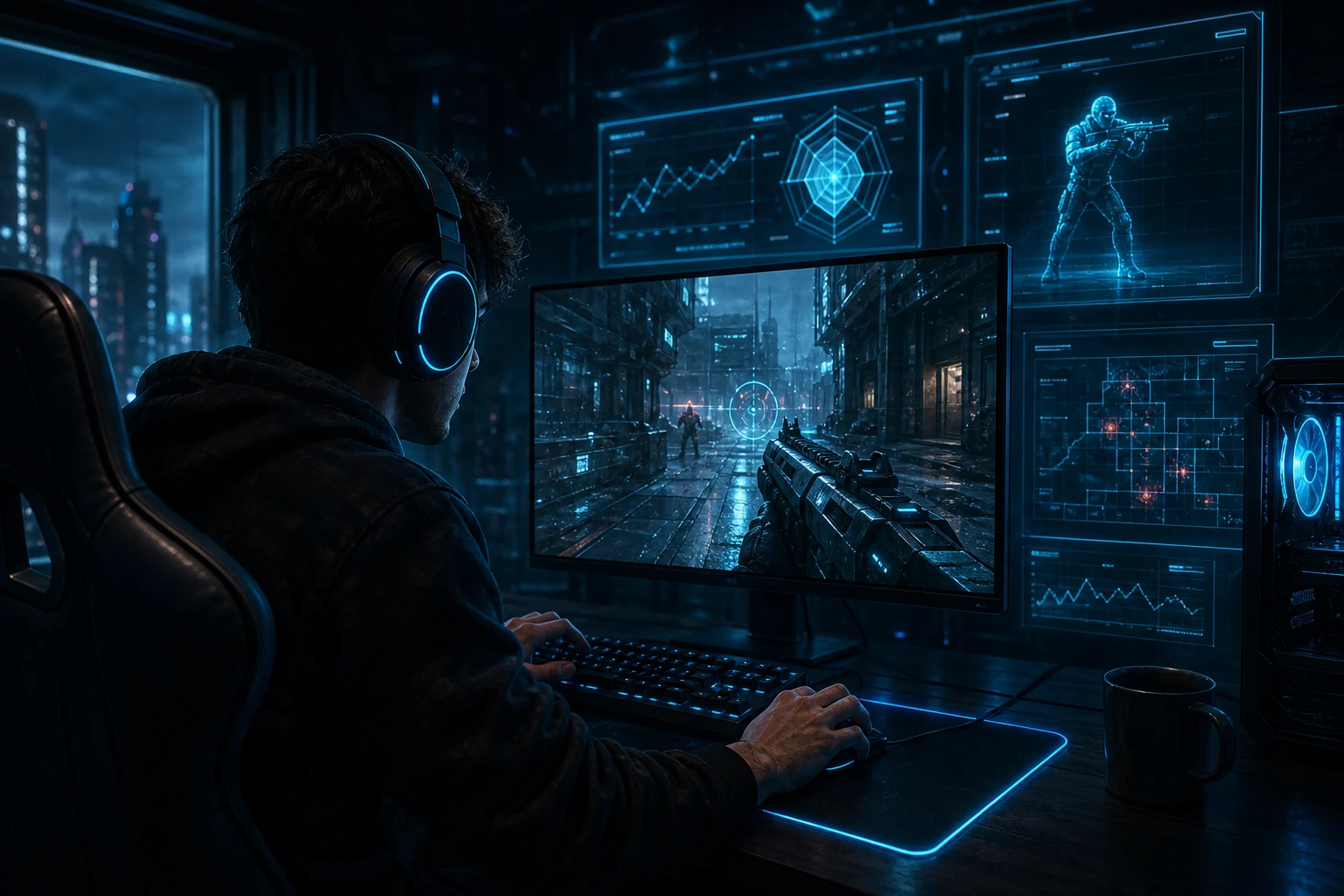
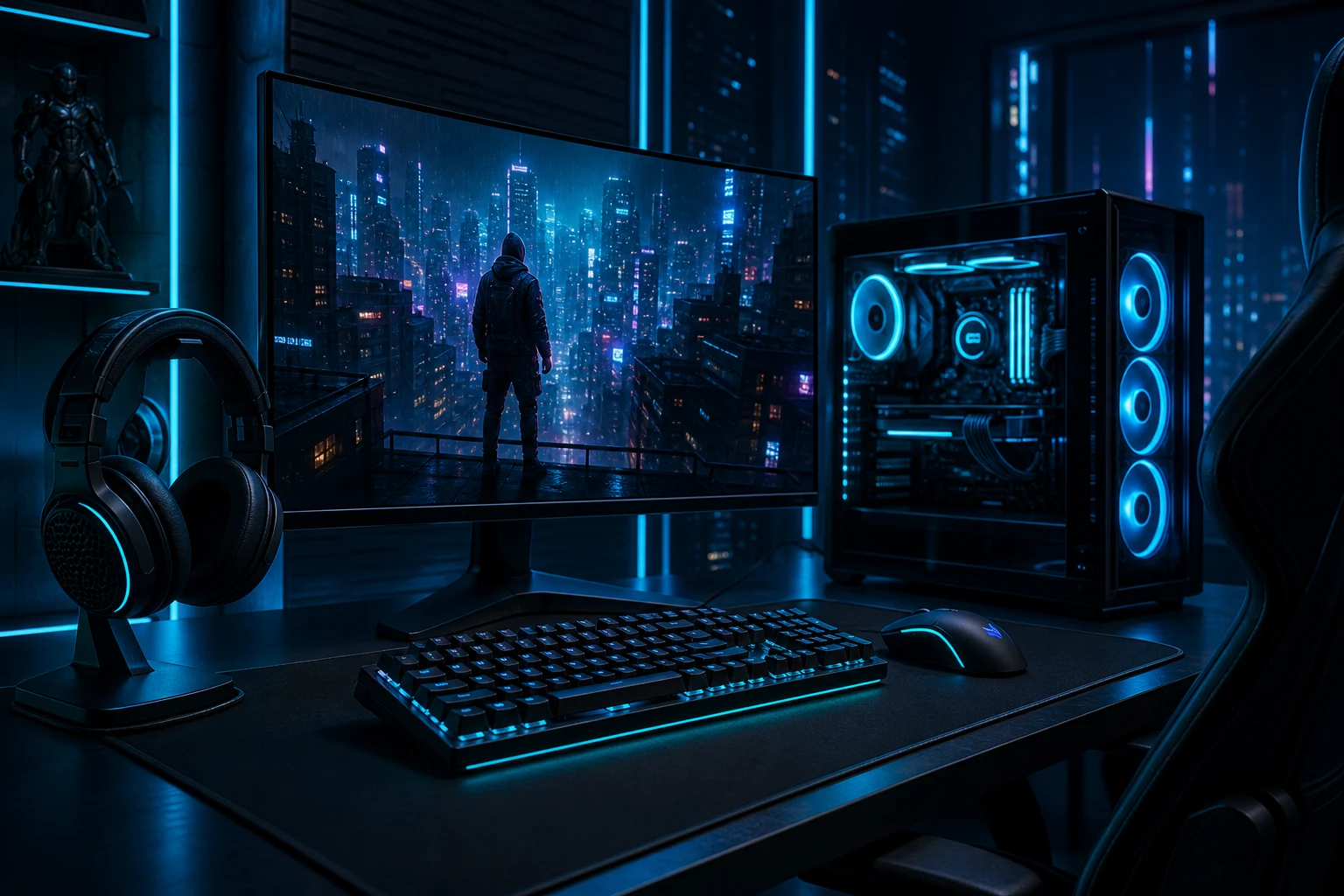
Gaming performance is directly related not only to skill but also to the hardware and software tools you use. A low-latency monitor, a precise gaming mouse, quality headphones, and an ergonomic keyboard tangibly improve your reflexes and reaction times. Beyond these, various software tools can enrich your gaming experience. For example, specialized software like Cougar Bypass developed for PUBG Mobile can take your gaming experience to another level. Keeping your computer drivers updated, optimizing game settings, and closing unnecessary background applications are simple but effective steps to boost performance.
Software Optimization
Improving gaming performance requires more than hardware investment; software optimization is essential. Properly configuring graphics settings increases FPS (frames per second) and improves game smoothness. Optimizing your network connection reduces ping, which is vital especially in online competitive games. Tools like Ph Spoofer offer extra flexibility and customization options in certain games. Meeting a game's minimum system requirements isn't enough; a system that exceeds recommended requirements gives you a technical advantage over competitors.
Practical Tip: Optimize your game settings for "high performance" rather than "high visual quality." Disabling unnecessary effects both increases your FPS and helps you see in-game objects more clearly.
4. Analyze Opponents and Review Replays
Learn from Your Own Mistakes
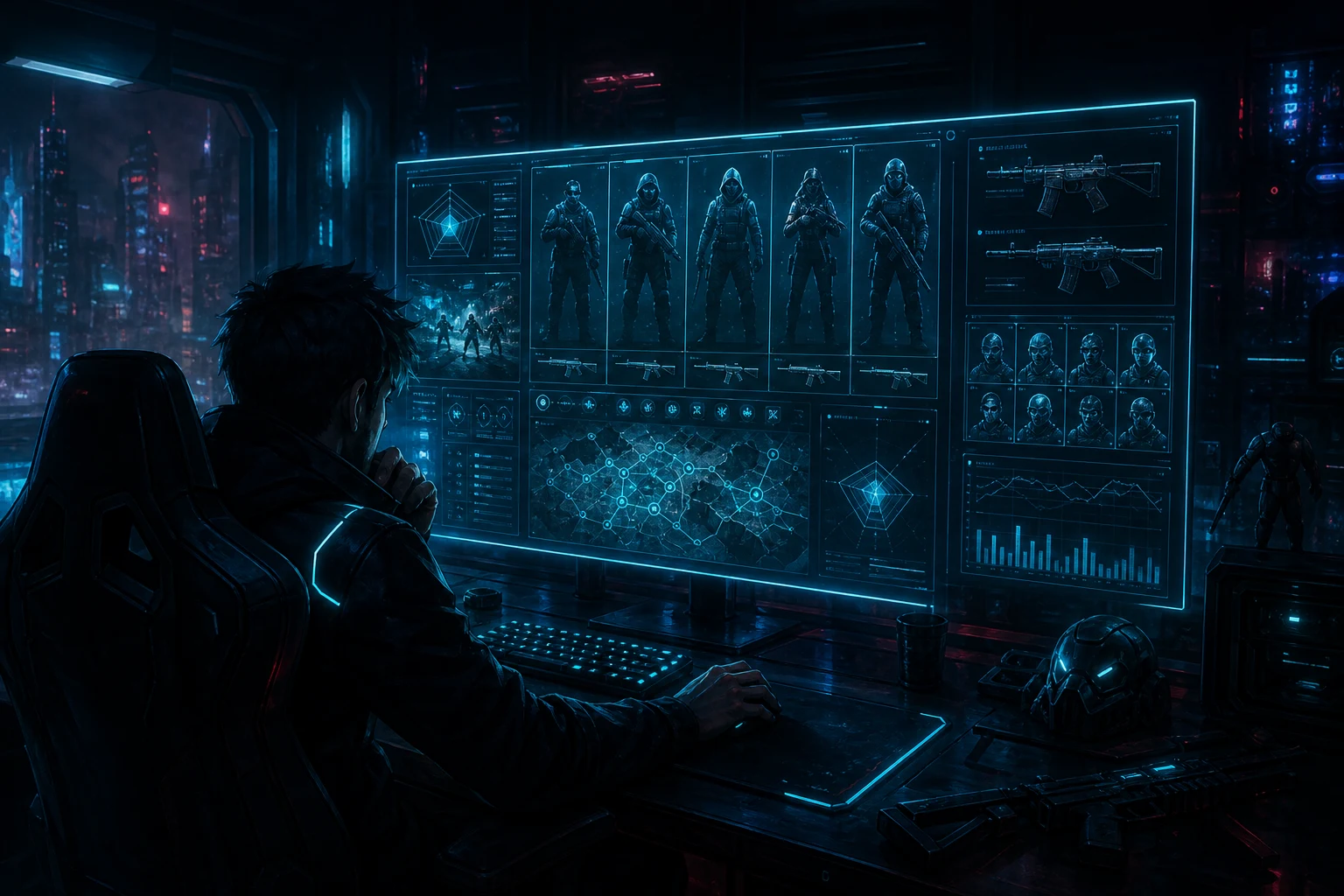
Professional athletes spend hours reviewing game footage; the same approach applies in gaming. Watching a replay of a lost match clearly shows which decisions put you at a disadvantage. Perhaps you chose the wrong position, your rotation timing was off, or communication gaps affected your team. Recognizing these mistakes and avoiding them in the next match dramatically accelerates your improvement. Additionally, watching replays of top-tier players helps you understand their decision-making processes and position preferences.
Practical Tip: After each match, note at least one "critical moment." Ask yourself why you made that decision and what alternatives you could have tried. Review these notes weekly.
5. Develop Team Communication and Coordination
Communication is the Foundation of Teamwork
In team-based games, communication is as important as—and sometimes more important than—individual skill. Clear, concise, and timely callouts enable your team to make faster and better decisions. Specific information like "enemy north building, 2 players" is far more valuable than vague warnings like "be careful." Using a microphone is much faster and more effective than text communication. Additionally, understanding your teammates' strengths and weaknesses and distributing roles accordingly significantly boosts team performance.
Coordination Strategies
Good team coordination isn't spontaneous; it's based on pre-established strategies. Answering questions like which player takes which role, how attack timing works, and what the retreat signal is prevents chaos in critical moments. Playing regularly with the same players and developing a shared game language increases team synergy over time. Tools like PH can help personalize your gaming experience while supporting your team coordination.
Practical Tip: Have a 5-minute "strategy meeting" with your team before matches. Even a simple plan produces much better results than playing without one.
6. Mental Resilience and Focus Techniques
Tilt Management: Don't Lose Emotional Control
Emotional collapse, known as "tilt" in gaming, is the most common issue affecting many players' performance. Consecutive losses, teammates' mistakes, or unexpected outcomes can break your concentration and lead to poor decisions. Professional players recommend taking a short break when tilted, doing breathing exercises, or switching to a different activity. Developing emotional intelligence helps you make calmer and more rational decisions under in-game pressure.
Practical Tip: After losing 2-3 matches in a row, take at least a 15-minute break. Step away from the screen, get some water, and take a short walk. You'll notice your performance improves when you return refreshed.
7. Join Gaming Communities and Get Mentorship
Leverage the Power of Community
Working alone can slow your development beyond a certain point. Joining gaming communities allows you to learn different strategies, receive feedback from experienced players, and maintain high motivation. Discord servers, Reddit communities, and in-game clans are ideal environments for such interactions. Getting mentorship from a more experienced player significantly accelerates your improvement. A mentor notices mistakes you can't see and provides personalized recommendations.
Follow Content Creators and Pro Players
Watching streams of top-tier players on platforms like YouTube and Twitch is both entertaining and highly educational. By observing their decision-making processes, position choices, and communication styles, you can adapt them to your own gameplay. Additionally, following experienced players' commentary and guides who use tools like GANTE Full developed for Valorant can provide you with practical knowledge.
Practical Tip: Watch 2-3 hours per week of streams from top players in your game. Take notes while watching and remember to test the techniques you see in your own matches.
8. Physical Health and Ergonomics
A Healthy Body Means a Better Player
Gaming performance isn't just a mental matter; physical health plays a critical role. Proper posture during long gaming sessions, screen settings that protect your eyes, and regular breaks directly affect both your short-term performance and long-term health. Research shows that tired and physically uncomfortable players have noticeably slower reaction times and decision-making speed. Regular exercise, adequate sleep, and balanced nutrition keep your concentration and reflexes at peak levels.
Practical Tip: Take a 5-10 minute break every 45-60 minutes. Rest your eyes, do wrist and neck stretches. This simple habit protects both your health and gaming performance in the long run.
9. Track Your Progress and Set Goals
What Isn't Measured Can't Be Improved
The most reliable way to understand if your gaming skills are improving is to measure your progress regularly. Most competitive games provide detailed analytics tools that allow players to track their statistics. Metrics like K/D ratio, accuracy percentage, and average damage per match clearly show your strengths and weaknesses. Based on this data, setting weekly or monthly improvement goals keeps you motivated and gives your efforts focus.
Set Short and Long-Term Goals
The secret to sustaining your improvement journey is setting both short-term (increase my aiming accuracy by 5% this week) and long-term (finish this season in Diamond rank) goals. Short-term goals provide daily motivation while long-term goals set your overall direction. Exploring tools like Ph Esp developed for PUBG and understanding how they work can deepen your understanding of game mechanics. Record your goals in a notebook or digital tool and review them regularly.
Practical Tip: Compare your end-of-month statistics with your beginning-of-month ones. Identify which areas you've improved in and which have stalled. Focus more on stalled areas in the next month.
Conclusion
Improving your gaming skills isn't a one-time action; it's an ongoing process of learning and development. The 9 methods we've covered in this guide—deliberate practice, meta analysis, proper equipment selection, replay review, team communication, mental resilience, community participation, physical health, and progress tracking—are complementary techniques that produce striking results when applied together.
Remember that every great player was once a beginner. What makes the difference is willingness to learn and disciplined work habits. Start by taking small steps; implement one method each week and observe firsthand how these habits transform your gaming performance.
For more strategies and guides, we recommend checking out our articles on How Cheats Can Develop Your Gaming Strategy and The Best 9 Ways to Enhance Your Gaming Experience. Additionally, our guide on Playing with Game Cheats: Advantages and Risks provides a comprehensive perspective on gaming tools.
We wish you success on your improvement journey. Feel free to use the comments section for questions or to share your experiences. With the power of our community, you can develop faster and more effectively. Now roll up your sleeves and take the first step!
Frequently Asked Questions (FAQ)
How many hours per day should I practice to improve my gaming skills?
2-3 hours of focused and deliberate practice per day is far more effective than 6-8 hours of random play. What matters is quality, not quantity. Playing for long periods without breaks leads to fatigue and performance decline.
What's the most important improvement step for beginners?
Learning basic game mechanics and developing deliberate practice habits are the most critical steps for beginners. Additionally, tracking meta analysis and using community resources also enables rapid improvement.
Does replay review really work?
Absolutely. The vast majority of professional esports players dedicate a significant portion of their training time to replay review. Seeing and analyzing your own mistakes prevents you from repeating them and improves your decision-making process.
Does physical health really affect gaming performance?
Yes, directly. Getting adequate sleep improves reaction times, regular exercise increases concentration, and ergonomic setup prevents physical discomfort during long gaming sessions. A healthy body means a sharper mind.
How important is communication in team games?
In team-based games, communication is as important as individual skill, and sometimes even more so. Clear and timely callouts improve team coordination and enable better decisions in critical moments. Using a microphone and providing short, clear messages makes a huge difference.
In which game type can you progress faster?
This depends on your personal strengths and learning style. However, competitive games that provide clear feedback loops (FPS, strategy, battle royale) make progress more measurable. Choosing a genre that suits your strengths keeps your motivation high.
Share this post
How Using Cheats Develops Your Gaming Strategy | Complete Guide
Top 10 Gaming Cheat Techniques and Usage Tips 2025
// related posts
Related Posts
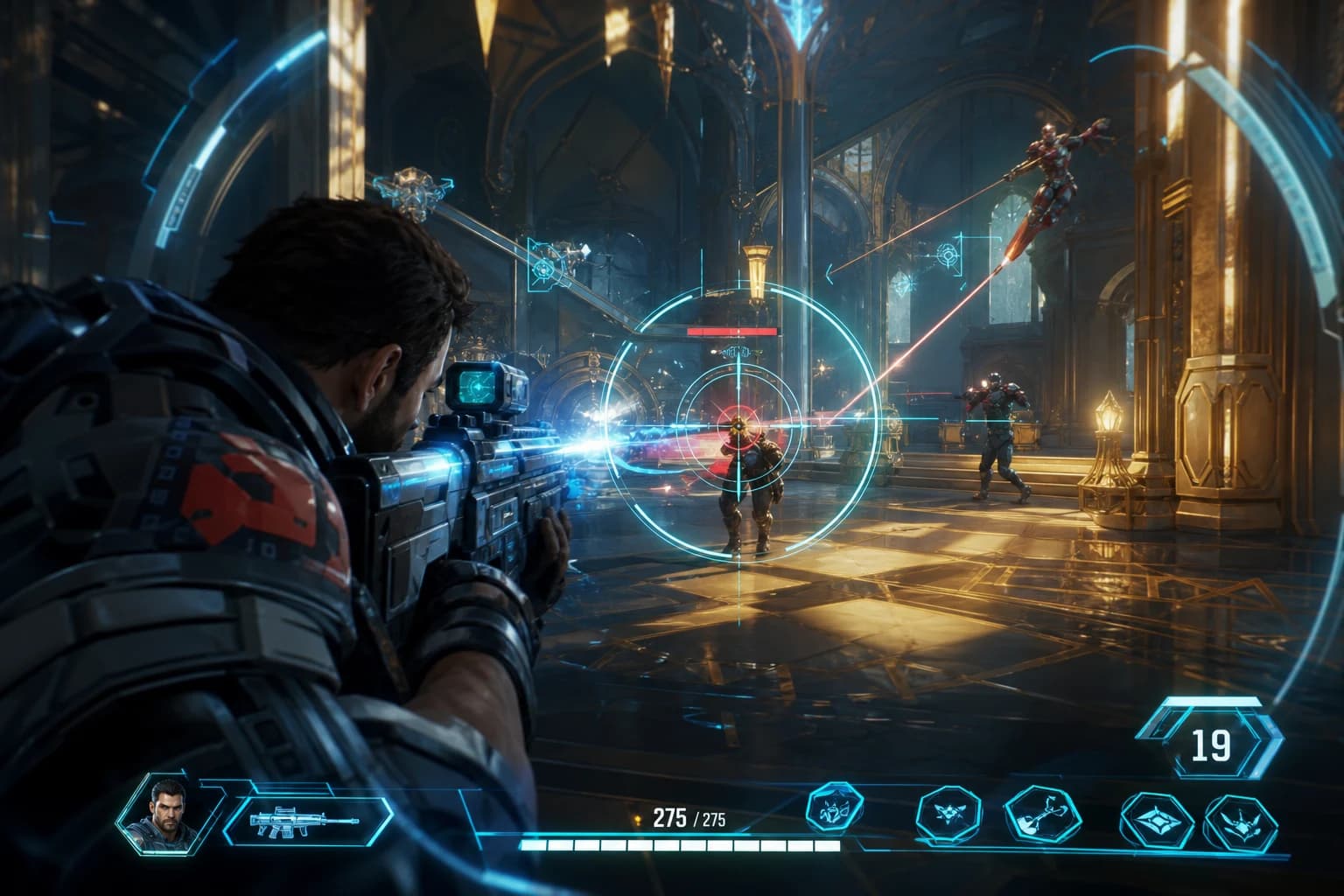
Marvel Rivals Aimbot Experience: The Path to Quick Wins
Discover how aimbot and other cheat tools work in Marvel Rivals, which features will give you the edge, and how to choose the right tool for your playstyle.
October 9, 2026
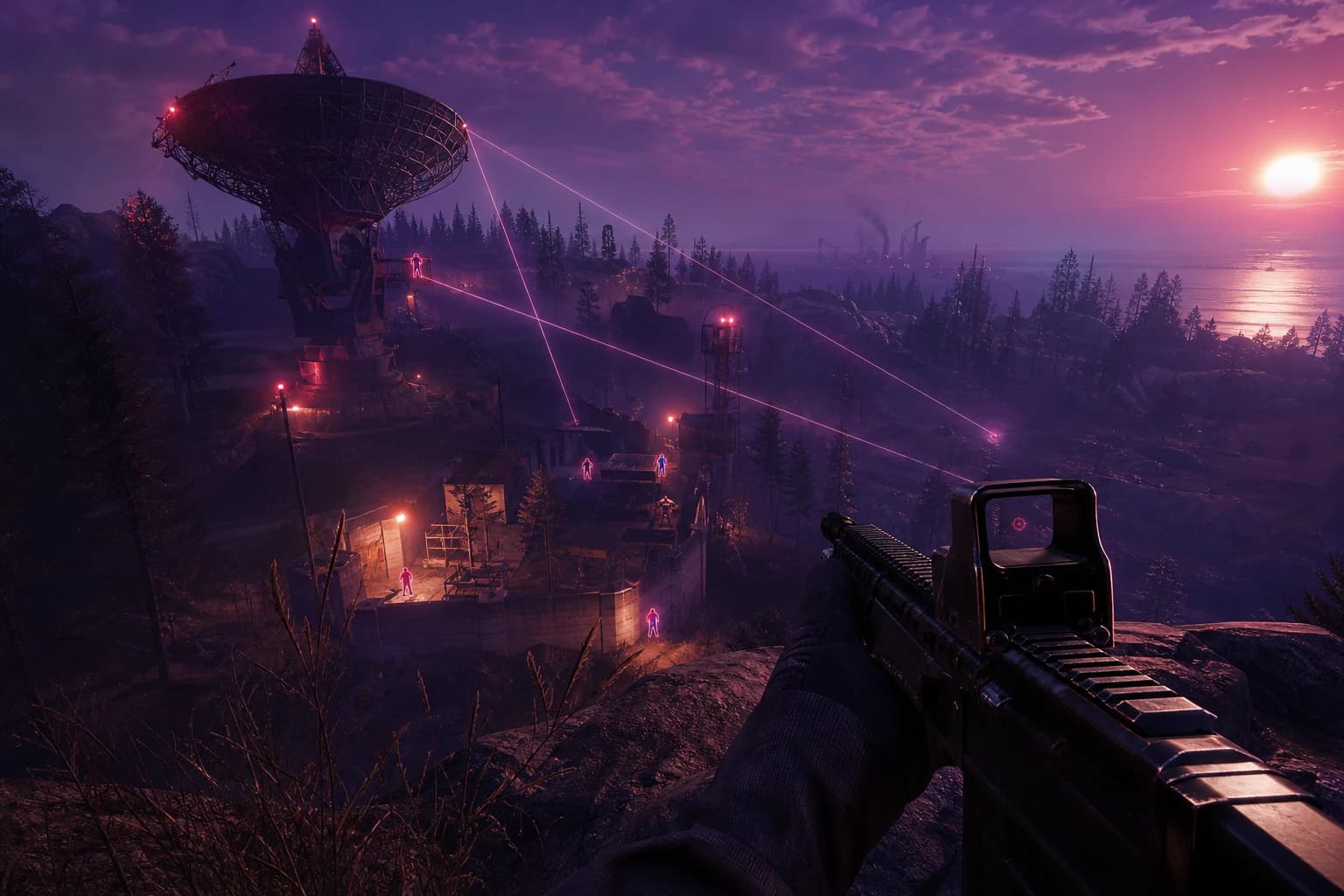
Rust ESP Map Control: Seeing Enemy Positions in Advance
Master map control in Rust using ESP to see enemy positions beforehand. Discover optimal settings, profiles, and strategies for dominating the game in this comprehensive guide.
October 8, 2026
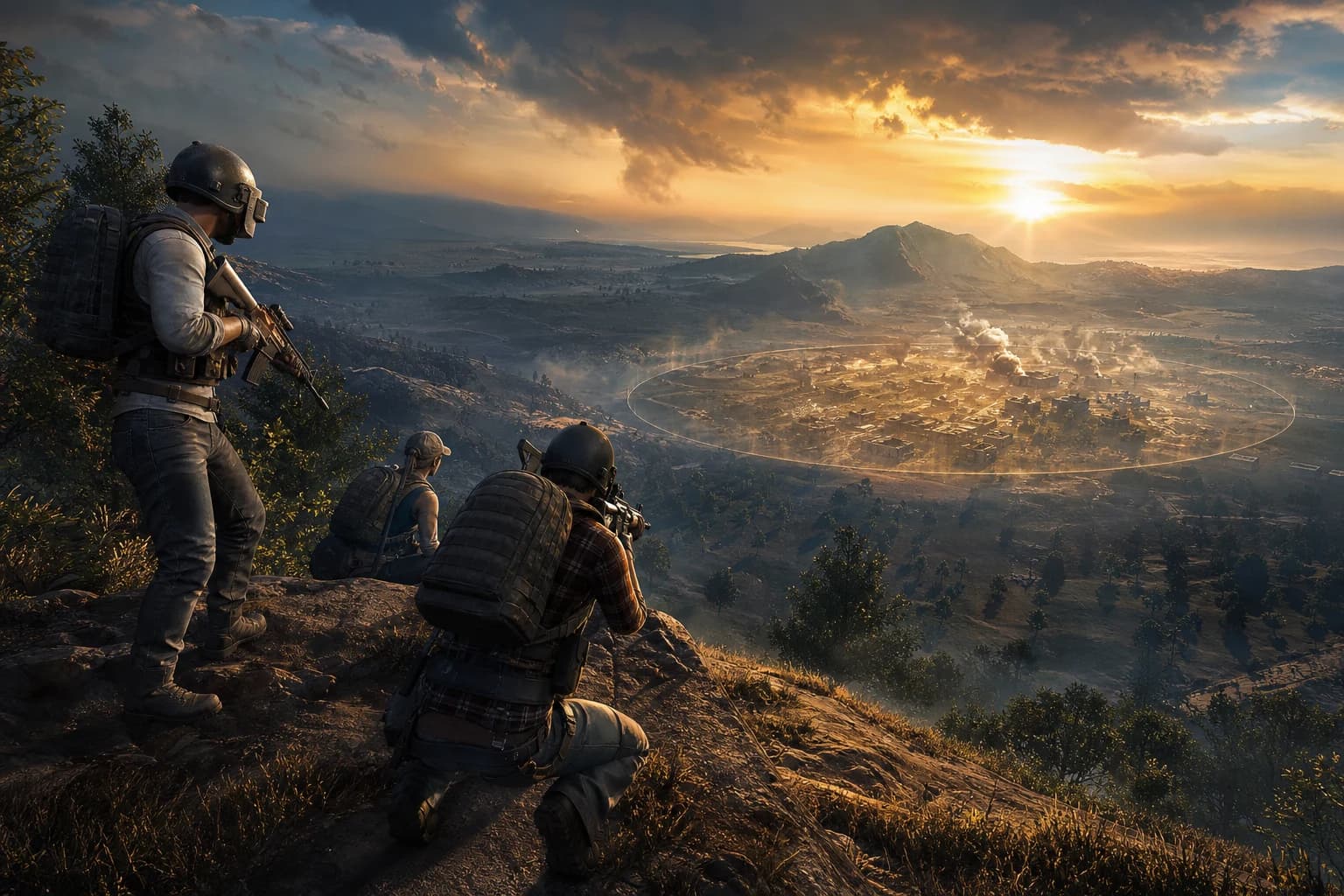
PUBG Final Circle: Best Settings and Strategies to Win
Struggling in PUBG's final circle? Master the right cheat settings and configurations to turn every endgame in your favor. Complete guide to dominating the final zone.
October 8, 2026