


Legal Consequences and Risks of Cheating in Competitive Gaming
- Introduction: The Real Cost of Cheating in Competitive Games
- The Legal Framework of Cheating
- User Agreements (EULA) and Legal Binding
- International Legal Precedents
- Anti-Cheat Systems: How They Work and How Effective Are They?
- Kernel-Level Anti-Cheat Software
- Machine Learning and Behavioral Analysis
- Community-Based Reporting Systems
- Step by Step: Possible Consequences of Cheating
- Step 1: Initial Detection and Warning Phase
- Step 2: Account Suspension
- Step 3: Permanent Account Ban
- Step 4: Hardware (HWID) Ban
- Step 5: Legal Process and Damages Claims
- Step 6: Community Exclusion and Reputation Loss
- The Ethical Dimension: The Concept of Fairness in Competitive Gaming
- Impact on Other Players
- Impact on Game Economy
- Security Risks: Hidden Dangers of Cheat Software
- Malware and Data Security
- Account Theft Risk
- Looking at Legal Alternatives: Ways to Develop Skills
- Coaching and Training Platforms
- In-Game Training Modes and Analysis Tools
- Platform-Based Risk Assessment
- Risk Level in PC Games
- Risk Level in Mobile Games
- Conclusion
- How are game cheats made?
- Which games have cheats?
- Is cheating in games a crime?
- I cheated and my account got banned. What can I do?
- Can anti-cheat systems make mistakes? Can I get unfairly banned?
- Do cheat programs really work?
Introduction: The Real Cost of Cheating in Competitive Games
Competitive online games are complex ecosystems that bring together millions of players, requiring skill, strategy, and time investment. From PUBG Mobile to Valorant, from SCUM to CS2, this vast world sees every player wanting to improve, climb rankings, and outpace their rivals. This competitive environment inevitably brings up the concept of "cheating." However, the consequences of using cheats in competitive games are far more severe and multifaceted than many players realize.
In this guide, we'll examine the legal dimensions of competitive game cheats, account risks, ethical debates, and impacts on the community step by step. By approaching the topic from both a player's perspective and a legal standpoint, we aim to provide comprehensive information for anyone considering cheating or researching this subject.
First, it's important to note that the concept of "cheating" in gaming encompasses an extremely broad spectrum. From console codes used in single-player experiences to third-party software used in competitive multiplayer environments, many different applications fall under this heading. However, the distinction between these two categories is critically important both ethically and legally. Using a cheat code in a single-player game harms no one directly, while using cheat software in a competitive environment directly affects other players' experiences, the game's economy, and developers' commercial interests.
In recent years, gaming companies have dramatically increased their anti-cheat measures. Advanced anti-cheat solutions like Valve's VAC system, Riot Games' Vanguard, and PUBG Corporation's BattlEye integration now not only detect software but also monitor suspicious activities through behavioral analysis and machine learning algorithms. This has raised the likelihood of cheat detection to much higher levels than in previous years.
On the other hand, the legal dimension cannot be ignored. In many countries, gaming companies have successfully sued cheat software developers and obtained substantial damages. In Turkey, under the Law on Intellectual and Artistic Works, unauthorized modification of game software can lead to legal issues. Violations of user agreements (EULA) can result in consequences ranging beyond account loss to legal sanctions.
This guide focuses on providing you with an informed perspective rather than discouraging or encouraging a particular decision. Understanding the risks, consequences, and alternatives will help every player make sound decisions. If you're ready, let's examine this complex topic step by step.
Summary: Using cheats in competitive games can result in permanent account bans, legal sanctions, device bans, and community exclusion. This guide comprehensively explains all risks and important considerations.
The Legal Framework of Cheating
User Agreements (EULA) and Legal Binding
When you purchase or download a game for free, you typically accept a lengthy End User License Agreement (EULA). These agreements are legally binding documents, and the vast majority explicitly prohibit third-party software use, modification of game files, and gaining unfair advantages in competitive environments.
In case of EULA violation, gaming companies have the right to permanently close your account, revoke purchased content, and even file lawsuits for damages. For players participating in major tournaments or possessing significant in-game assets, this can result in serious financial losses.
In Turkey, under the Personal Data Protection Law (Law No. 6698) and the Law on Intellectual and Artistic Works (Law No. 5846), unauthorized modification of software or using tools for this purpose can create legal liability. Gaming companies, particularly in large-scale cheating operations, have the right to appeal to Turkish courts.
International Legal Precedents
Worldwide, gaming companies have won numerous important cases against cheat software developers. Among the most notable is Blizzard Entertainment's case against Bossland GmbH, which resulted in approximately $8.5 million in damages. Similarly, Epic Games has filed multiple successful lawsuits against individuals developing and selling cheat software for Fortnite.
These cases have sometimes affected not only cheat software developers but also end users. Particularly those selling or distributing cheat software for commercial purposes have faced serious sanctions for copyright infringement and unfair competition.
Anti-Cheat Systems: How They Work and How Effective Are They?
Kernel-Level Anti-Cheat Software
Modern anti-cheat systems work at the deepest layers of the operating system to detect cheat software. Riot Games' Vanguard system has a component that operates at the kernel level from the moment a computer starts. This approach makes it extremely difficult for cheat software to bypass the anti-cheat system.
Similarly, solutions like BattlEye and EasyAntiCheat are actively used in PUBG, Fortnite, and dozens of other popular games. These systems use multi-layered methods including memory scanning, process monitoring, file integrity checks, and behavioral analysis.
Machine Learning and Behavioral Analysis
Today, the most advanced aspect of anti-cheat technology is the use of machine learning algorithms. These systems analyze millions of game data points to establish the boundaries of "normal" player behavior and flag activities that exceed these boundaries. A player's aiming patterns, movement speed, reaction times, and other metrics are continuously monitored.
This approach can eventually detect even new-generation cheat software that manages to bypass signature-based detection. Particularly models trained on large datasets can catch anomalies that the human eye cannot detect.
Community-Based Reporting Systems
Alongside automated systems, gaming communities play a critical role in cheat detection. Valve's Overwatch system allows CS2 players to review suspicious cases. Riot Games' similar systems combine human intelligence with algorithmic analysis to strengthen cheat detection. This community-based approach is particularly effective in detecting new or sophisticated cheating methods.
Step by Step: Possible Consequences of Cheating
-
Step 1: Initial Detection and Warning Phase
When anti-cheat systems detect suspicious activity, they typically first issue a warning or temporary restriction. At this stage, the player may be deprived of certain features or directed to a restricted server. Some games punish detected cheaters by matching them only with other cheaters, a practice known as "cheat punishment."
-
Step 2: Account Suspension
Following the initial warning or in cases of serious violations, the account is temporarily suspended. This period can range from several days to several weeks. During suspension, all account progress, purchased content, and ranking points are frozen.
-
Step 3: Permanent Account Ban
Repeated violations or severe cheat software use result in permanent account bans. This means the player can never play with that account again. All purchased in-game content, DLC, and digital assets are permanently lost. On some platforms, this ban can extend to a hardware ban, preventing the same person from creating new accounts.
-
Step 4: Hardware (HWID) Ban
Hardware ban is perhaps the most severe technical sanction. In this method, the gaming company blacklists the unique hardware identifiers of the computer (MAC address, disk serial number, HWID, etc.). In this case, creating a new account doesn't solve the problem; access to the game from the same computer becomes impossible. To bypass a hardware ban, some players must purchase new hardware, which represents a significant financial loss. If you're curious about how tools like Ph Spoofer work in this regard, you can check the product page.
-
Step 5: Legal Process and Damages Claims
In the most severe cases, particularly when commercial cheat software sales or distribution is involved, gaming companies may pursue legal action. This process can result in serious financial burdens including attorney fees, court proceedings, and potential damage payments. International legal precedents show that gaming companies are typically successful in such lawsuits.
-
Step 6: Community Exclusion and Reputation Loss
Players caught cheating experience serious reputation loss in gaming communities. For players participating in tournaments or producing content, this can result in tangible consequences such as sponsorship loss, tournament bans, and viewer loss. Online communities typically exclude players known to have cheated, and this social dimension is an important deterrent, especially for players who take the gaming community seriously.
The Ethical Dimension: The Concept of Fairness in Competitive Gaming
Impact on Other Players
The most direct impact of cheating in competitive games is harm to other players' experiences. When a player cheats, their opponents lose the opportunity to compete on equal terms. The skills that opponents have developed over hours, days, or even years become meaningless due to software. This situation is a source of deep disappointment and demotivation, especially for honest players wanting to advance in competitive rankings.
Research shows that active player numbers decline in games where cheating becomes widespread. Players don't want to invest time and money in an unfair environment. This also damages the game's ecosystem in the long term and negatively affects developers' capacity to produce new content.
Impact on Game Economy
Many competitive games have complex economic systems. Ranking systems, tournament prizes, in-game marketplaces, and collectible items are fundamental elements of this economy. Cheating disrupts these balances; unfairly obtained ranking points and rewards devalue honest players' earnings.
Cheating in prize tournaments, in particular, constitutes a serious ethical violation against both organizers and other participants and often results in legal sanctions.
Security Risks: Hidden Dangers of Cheat Software
Malware and Data Security
Most cheat software is distributed from unreliable sources. These programs often contain malicious components such as keyloggers, trojans, ransomware, or cryptominers. While trying to gain an advantage in the game, users may unknowingly expose their personal information, banking details, and account passwords to danger.
Cybersecurity researcher reports reveal that many cheat programs are actually malware whose primary purpose is data theft. For this reason, any software downloaded from unreliable sources poses a serious security risk.
Account Theft Risk
Some cheat software requests game account credentials from users or steals this information in the background. Valuable gaming accounts, especially those containing rare items or high ranking points, are attractive targets for cybercriminals. Having your account stolen means losing years of effort in an instant.
Looking at Legal Alternatives: Ways to Develop Skills
Coaching and Training Platforms
For those genuinely wanting to advance in competitive games, many legal and effective alternatives exist. Platforms like Gamer Sensei, ProGuides, and Metafy allow you to receive one-on-one coaching from professional players. This investment provides both a more satisfying gaming experience in the long term and ensures that genuinely developed skills remain permanent.
Additionally, you can gain a different perspective on the topic by reading our comprehensive article on the advantages and disadvantages of using cheats in competitive games.
In-Game Training Modes and Analysis Tools
Regular use of official practice environments like Valorant's Range mode, CS2's deathmatch servers, and PUBG's training area accelerates skill development. Additionally, statistical analysis tools like Tracker.gg and op.gg help you identify your weaknesses and focus on areas for improvement.
If you're curious about the historical development of game cheats and how this topic has evolved, our article on the history of game cheats and important turning points will provide you with comprehensive perspective.
Platform-Based Risk Assessment
Risk Level in PC Games
The PC platform is both where the most cheat software is developed and where the most advanced anti-cheat systems are used. Steam's VAC system, Riot Vanguard, and solutions like BattlEye continuously monitor PC players. Cheat detection on PC, particularly with the proliferation of kernel-level anti-cheat systems, has become increasingly easier.
If you're curious about how tools like Cougar Bypass or Ph Esp used in games like PUBG work, you can check the relevant product pages. However, it's important to remember that using these tools carries all the risks we've detailed above.
Risk Level in Mobile Games
Cheat detection on mobile platforms involves different dynamics compared to PC. However, major titles like PUBG Mobile and Valorant Mobile use powerful anti-cheat systems on the mobile platform as well. When hardware bans are applied on mobile devices, you may need to purchase a new device, which is a significant financial burden.
For more information about the usage conditions and risks of tools like GANTE Full package or PH used in competitive games like Valorant, visit the relevant product pages. Also, check out our blog article on comparative analysis of methods like aimbot and wallhack.
Conclusion
Using cheats in competitive games may appear attractive at first glance but presents an extremely complex risk-benefit equation upon closer examination. When all the dimensions we've covered in this guide are considered together, the picture becomes highly multifaceted.
From a legal standpoint, gaming companies' rights under user agreements are extremely broad, and the exercise of these rights is becoming increasingly aggressive. International legal precedents have produced consequences affecting not only cheat software developers but sometimes end users as well. The legal framework in Turkey also contains risks that should not be overlooked in this area.
From a technical perspective, the sophisticated nature of modern anti-cheat systems increases the likelihood of cheat detection every day. Kernel-level protections, machine learning algorithms, and community-based reporting systems are continuously shortening the lifespan of cheat software. Sanctions like hardware bans bring financial losses to a concrete level.
In terms of security, the situation may be the most critical point. Cheat software downloaded from unreliable sources carries more risk of exposing personal and financial data than providing in-game advantages. This risk often overshadows the potential "benefits" of cheating.
From an ethical perspective, damage to the principle of fairness at the heart of competitive games harms both individual players and the sustainability of gaming ecosystems. In the long term, a healthy competitive environment serves the interests of all players.
In conclusion, the purpose of this guide is not to force readers toward a particular decision but to transparently present all existing dimensions. As a conscious player, making decisions while fully understanding the consequences each choice brings will remain the healthiest approach in the long term.
How are game cheats made?
Technical methods for creating game cheats include memory editing tools, third-party software, and modifying game files. However, all of these methods violate user agreements in competitive multiplayer games and carry the risk of detection by anti-cheat systems. In single-player games, most developers offer official cheat codes or mod support.
Which games have cheats?
While various cheat tools have been developed for virtually every game, using these tools carries significant risk. Games like PUBG, Valorant, CS2, Fortnite, and Apex Legends in particular have both powerful anti-cheat systems and active cheat software development communities. In single-player games, official mod support or cheat codes provided by developers offer a safer alternative.
Is cheating in games a crime?
Cheating is evaluated within a legal framework that varies from country to country. In Turkey, unauthorized modification of game files can create problems under the Law on Intellectual and Artistic Works. Selling or distributing cheat software for commercial purposes can result in much more serious legal consequences. In terms of individual use, the most definitive sanctions are typically account bans and commercial sanctions under EULA violations, though in some international cases individual users have faced legal proceedings.
I cheated and my account got banned. What can I do?
If your account is banned for cheating, you can use the gaming company's official appeal mechanism. However, the likelihood of a successful appeal in bans applied due to detected cheating is low. Creating a new account may seem like a short-term solution, but if a hardware ban has been applied, this approach may not work either. The healthiest approach is to start fresh with a new account honestly.
Can anti-cheat systems make mistakes? Can I get unfairly banned?
Yes, anti-cheat systems can sometimes produce false positives and unfair bans can occur. This can happen particularly due to certain system configurations or interactions with legitimate third-party software. In such a situation, contacting the gaming company's official support channels to start the appeal process is the right step. Major gaming companies have special teams to investigate unfair ban cases.
Do cheat programs really work?
In the short term, some cheat software may work; however, anti-cheat systems are continuously updated and new detection methods are developed. The "working lifespan" of cheat software is getting shorter, and users may see their software detected shortly after payment. Additionally, the fact that software downloaded from unreliable sources may contain malicious components makes using these tools always risky.
Share this post
Cheating in Competitive Games: Pros and Cons
How to Enhance Your Gaming Experience with the Best Game Cheats
// related posts
Related Posts
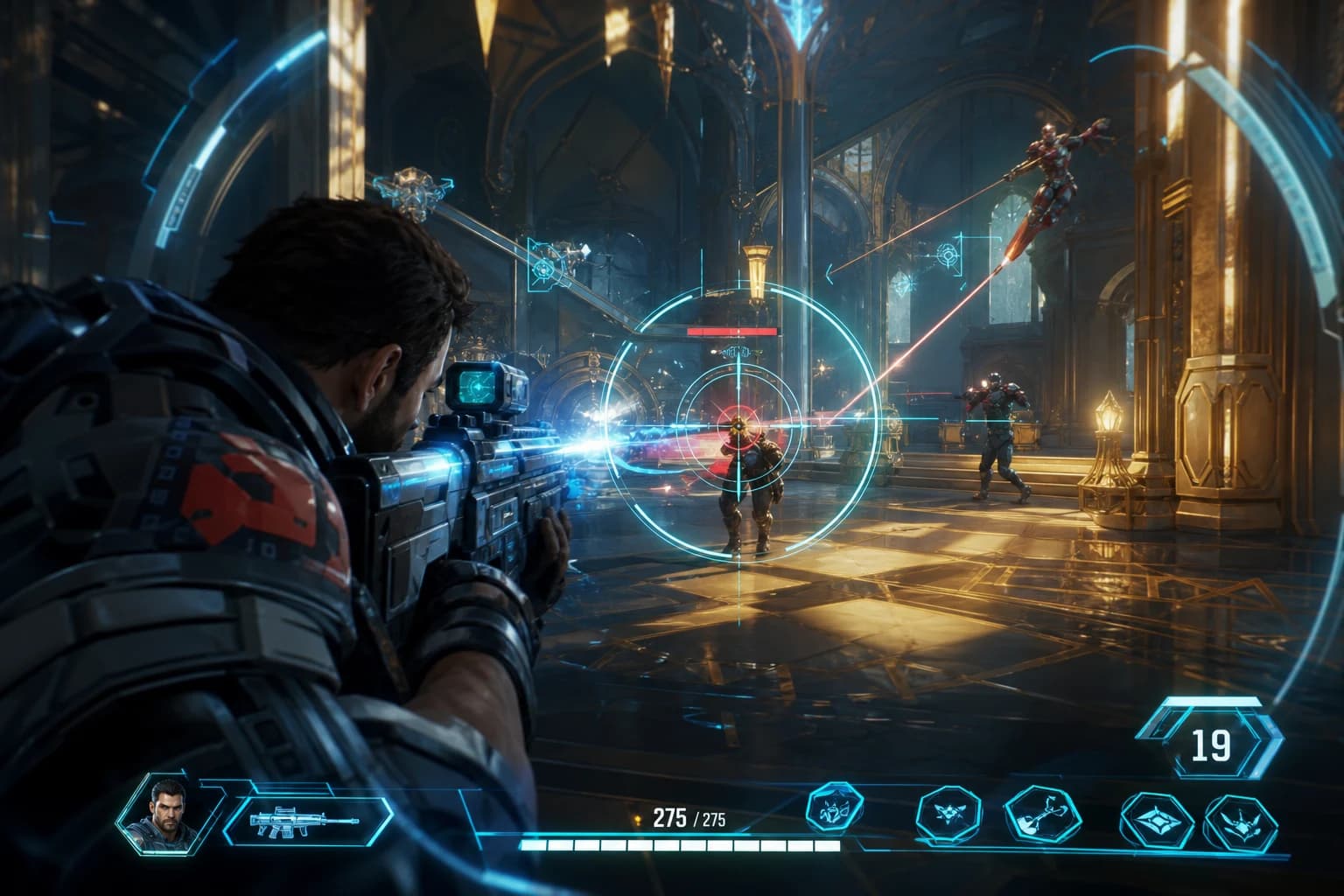
Marvel Rivals Aimbot Experience: The Path to Quick Wins
Discover how aimbot and other cheat tools work in Marvel Rivals, which features will give you the edge, and how to choose the right tool for your playstyle.
October 9, 2026
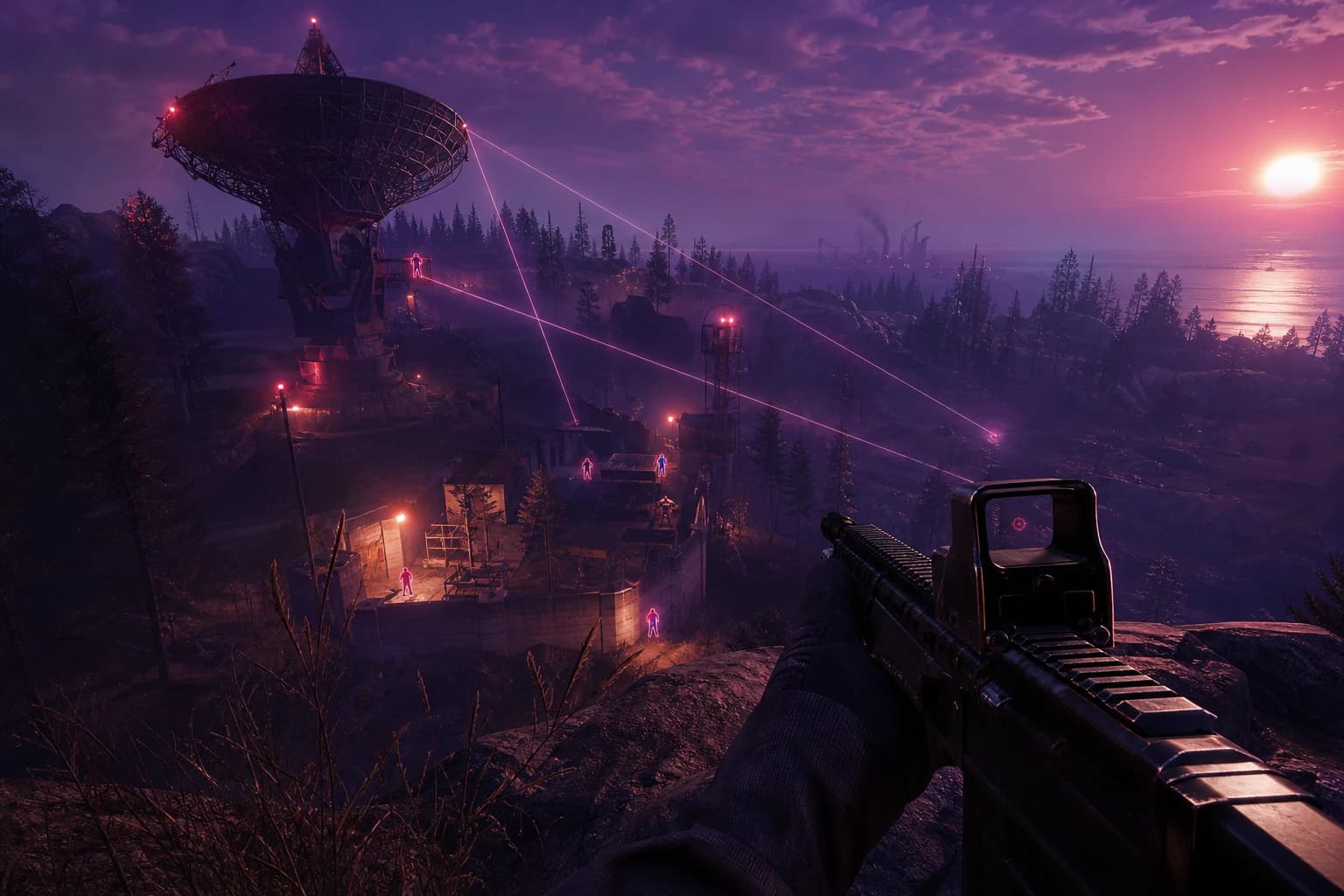
Rust ESP Map Control: Seeing Enemy Positions in Advance
Master map control in Rust using ESP to see enemy positions beforehand. Discover optimal settings, profiles, and strategies for dominating the game in this comprehensive guide.
October 8, 2026
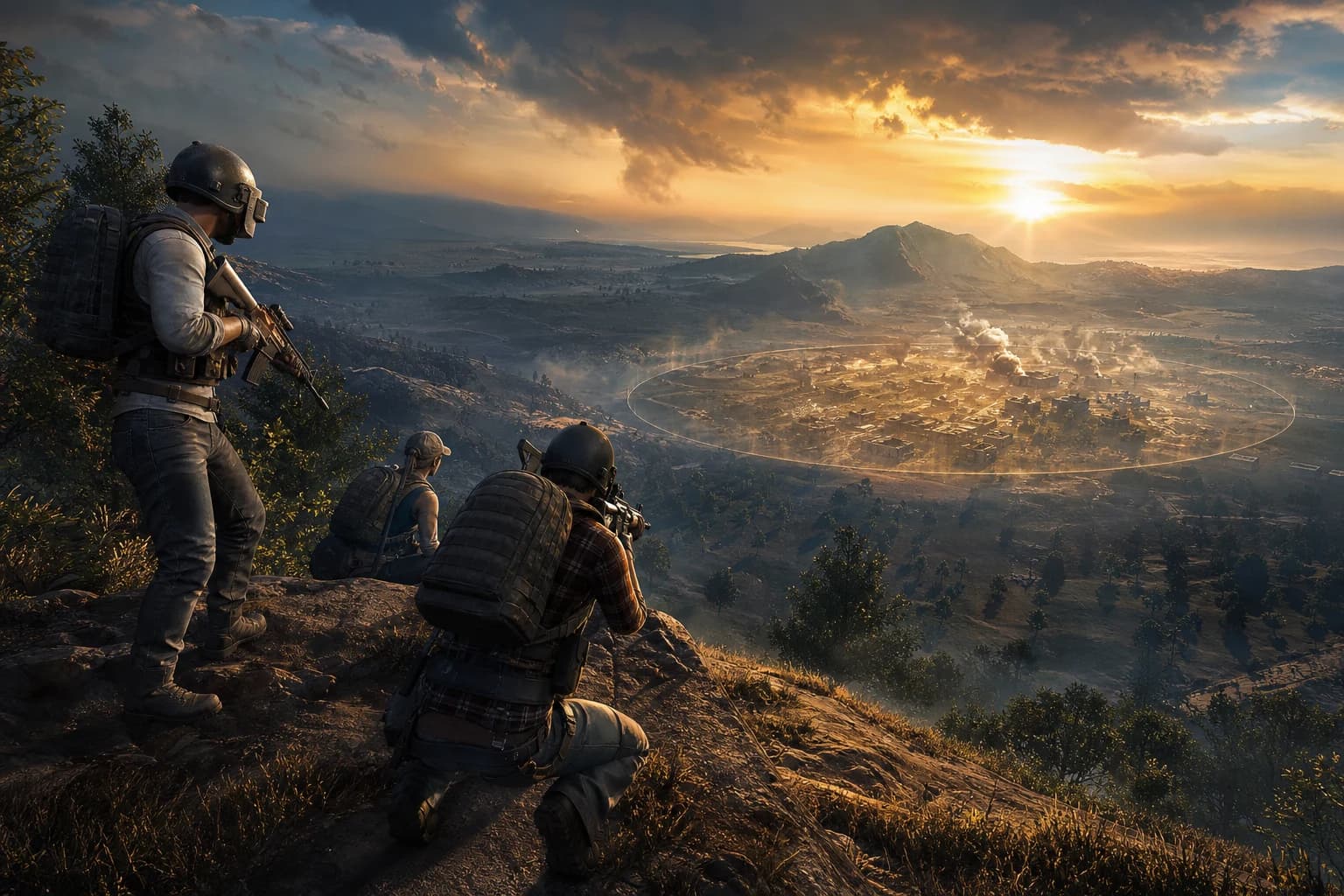
PUBG Final Circle: Best Settings and Strategies to Win
Struggling in PUBG's final circle? Master the right cheat settings and configurations to turn every endgame in your favor. Complete guide to dominating the final zone.
October 8, 2026