




Gaming Cheats: Ethics, Right or Wrong? Complete Comparison
- Introduction: The Ethical Dimension of Gaming Cheats
- Comparison Table: Is Cheating Acceptable or Not?
- Arguments for Why Cheating is Acceptable
- Personal Freedom and Game Ownership
- Accessibility and Inclusivity
- Post-Game Exploration and Creativity
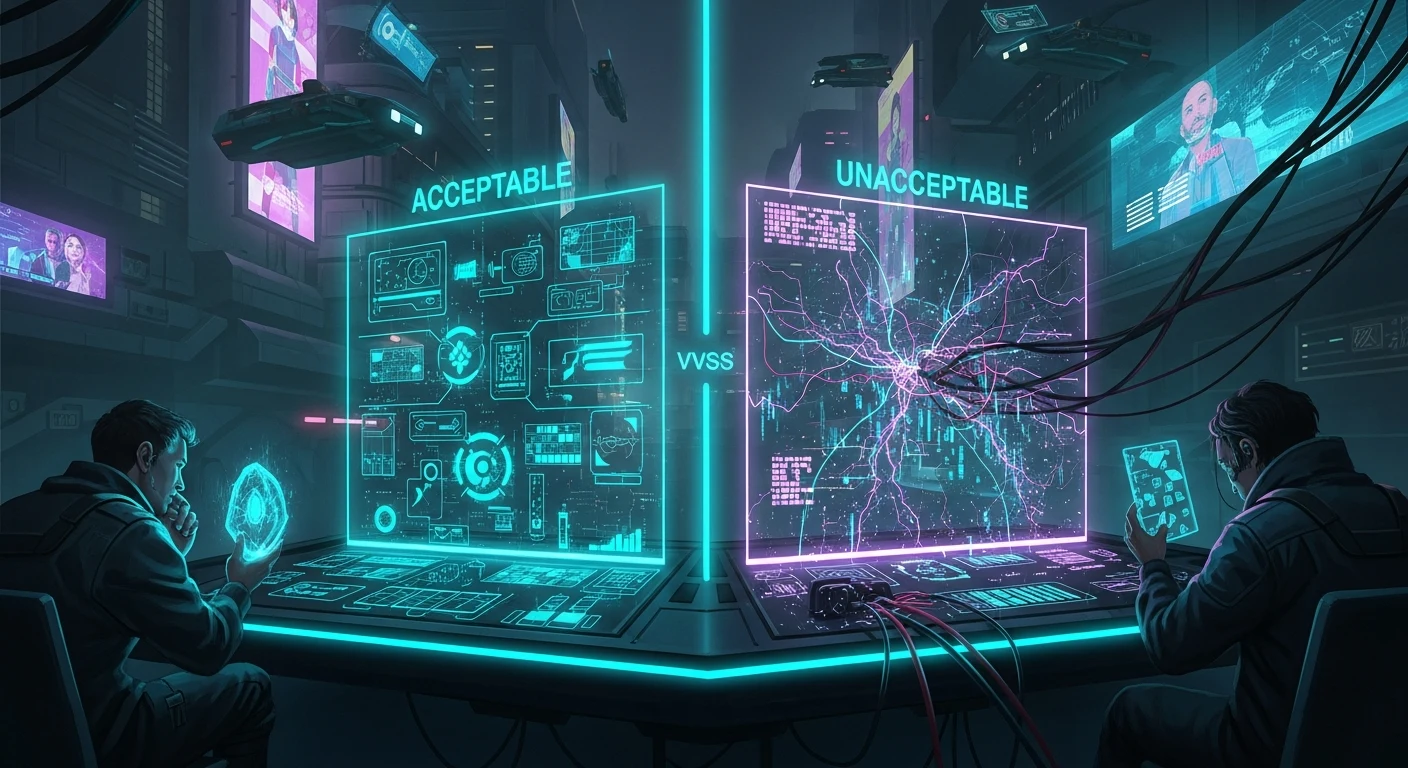
- Arguments for Why Cheating is Unacceptable
- Violation of Fair Competition Principles
- Damage to the Gaming Community
- Rights and Moral Responsibility
- How the Gaming Community Views the Cheating Debate
- Deep Division Within the Community
- Anti-Cheat Systems and Developer Attitudes
- The Legal Aspect of Cheating
- Practical Consequences of Cheating
- Ban Risk and Account Loss
- Impact on Gaming Experience
- Which Should You Choose? Cheat or Not?
- Recommendations for Single-Player Games
- Recommendations for Multiplayer Games
- Conclusion
- Frequently Asked Questions (FAQ)
- Is using cheats in games a crime?
- Is cheating a violation of others' rights?
- Is cheating ethical in single-player games?
- How do cheating players avoid getting banned?
- Does using cheats really improve gaming experience?
- Which games are most commonly cheated in?
Introduction: The Ethical Dimension of Gaming Cheats
The gaming world has become an inseparable part of billions of people's daily lives. Within this massive ecosystem, there has always been a controversial topic: gaming cheats. For some players, cheating is the most natural way to enjoy a game; for others, it's an act that undermines fair competition and poisons the community. So which is it? Is there a single right answer to this question?
The history of cheating in games is as old as the history of video games themselves. The cheat culture that began with the Konami Code in the 1980s gradually took on a much more complex dimension. "Cheat codes" that were once deliberately embedded in games by developers have now been elevated to a completely different level through sophisticated software and injection techniques. GTA 5 cheats, Contra's legendary 30-life code, The Sims' money cheat… All of these are pieces of cultural history. But here's where an important distinction emerges: Is a cheat code provided with the developer's permission the same as an advantage obtained through third-party software?
This is the central question underlying the ethical debate. There's a world of difference between eliminating enemies in a single hit in a single-player game and seeing your opponent's head through a wall in a competitive multiplayer match. While the community generally accepts this distinction, the boundaries are not always this clear. One player cheats a little when playing with friends, while another uses software in ranked matches full of complete strangers. Which is "less wrong"? Or is neither wrong at all?
Surveys conducted on Reddit and various gaming forums reveal that the vast majority of players (73%) find cheating ethically unproblematic in single-player games. However, the same group dramatically reduces this percentage in multiplayer environments: Only 12% find cheating acceptable in multiplayer games. These figures illustrate just how multi-layered this debate is.
In this article, we'll examine the ethical dimension of gaming cheats from two main perspectives: "Cheating is Acceptable" and "Cheating is Unacceptable." We'll lay out the arguments of both sides, the gaming community's reactions, and the real consequences of cheating. Regardless of which side you're on, you'll find this discussion worth reading.
Summary: Gaming cheats are largely accepted in single-player games but create serious ethical issues in multiplayer environments. Context, type of cheat, and number of affected people are determining factors in this debate. Both sides have strong arguments; the right choice largely depends on the game type and purpose of use.
Comparison Table: Is Cheating Acceptable or Not?
| Feature | ✅ Cheating Acceptable | ❌ Cheating Unacceptable |
|---|---|---|
| Affected Person | Only themselves (single-player) | Other players (multiplayer) |
| Game Type | Story/sandbox/single-player | Competitive/ranked/multiplayer |
| Purpose | Entertainment, exploration, accessibility | Unfair ranking gain, domination |
| Community Reaction | General acceptance, neutral | Harsh criticism, ban requests |
| Legal Aspect | Usually gray area | ToS violation, sometimes legal risk |
| Game Experience | Enriches personal experience | Ruins others' experience |
| Ban Risk | Low (offline) | High (anti-cheat systems) |
| Developer Attitude | Official support in some games | Strictly prohibited |
Arguments for Why Cheating is Acceptable
Personal Freedom and Game Ownership
Cheating in a single-player game should be evaluated within a fundamentally different ethical framework. The person who purchased the game has complete sovereignty over that experience. Only they have the right to decide how they want to play it. Reading a book from the end or fast-forwarding through a movie is no more "wrong" than cheating in a single-player game—which is to say, not at all. From this perspective, gaming cheats are a matter of personal choice and pose no ethical problem as long as they don't affect anyone else.
Indeed, the most iconic cheat codes in gaming history were deliberately embedded by developers themselves. Doom's "iddqd" code, the vehicle and weapon cheats in the GTA series, The Sims' "motherlode" money code… These were presented as features. If the developer opened this door themselves, why would it be wrong for a player to walk through it?
Accessibility and Inclusivity
Aren't games for everyone? For people with disabilities, elderly players, or newcomers to gaming, certain sections can become insurmountable barriers. In this case, cheating serves as an accessibility tool that makes it possible to enjoy the game. If a player has hand coordination issues and can't get past boss fights, using cheats to see the rest of the story is an ethically defensible choice.
Additionally, some games are deliberately designed to be extremely difficult. "Souls-like" games are the best examples of this. In these games, cheating may be the only way out for some players. In our comprehensive guide on the advantages and disadvantages of using cheats in games, we also address this topic.
Post-Game Exploration and Creativity
Playing with cheats after completing a game once offers a completely different experience. Using cheats to explore the world, try different scenarios, and understand the game's mechanics is a creative approach. The speedrunning community, glitch hunters, and game modders are the most vibrant representatives of this culture. For these players, cheating is a tool for pushing the game's boundaries.
Arguments for Why Cheating is Unacceptable
Violation of Fair Competition Principles
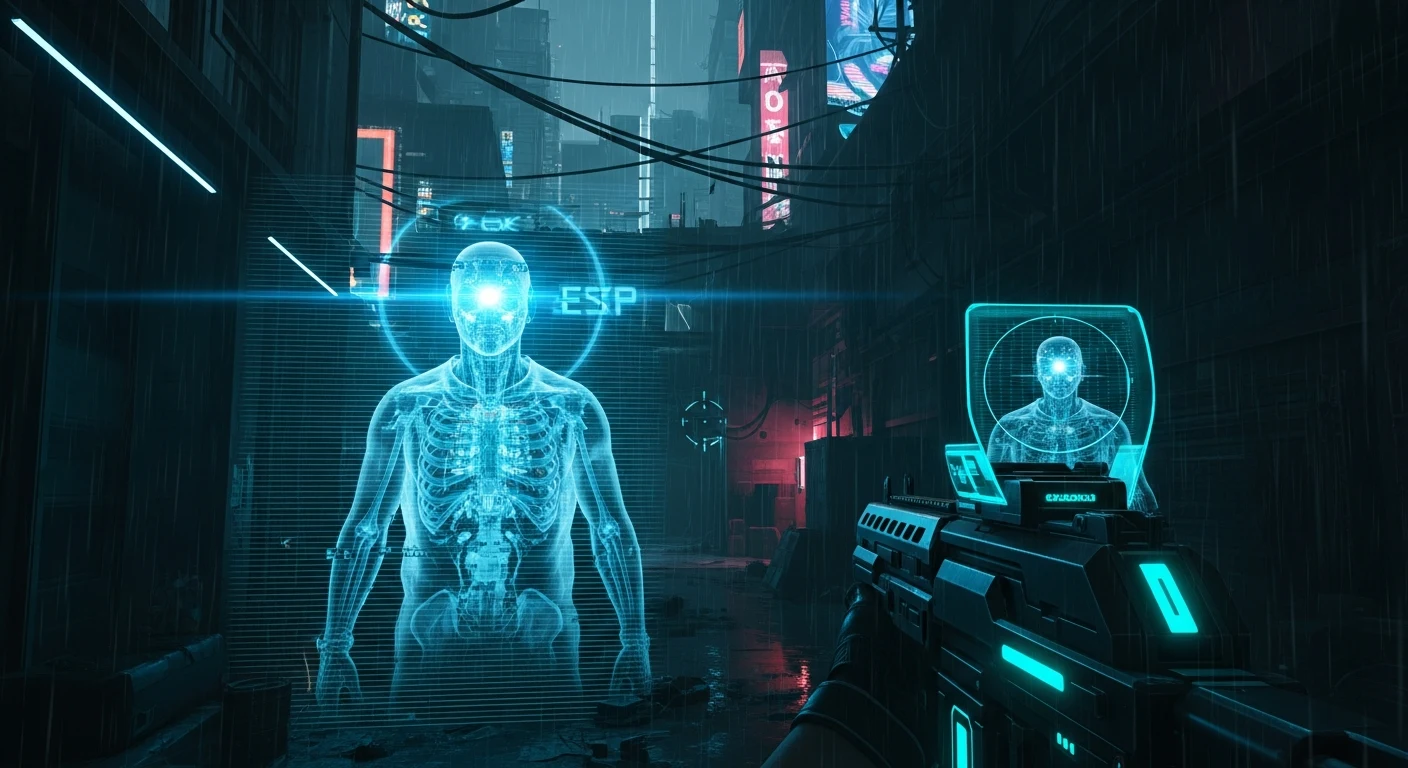
The ethical defense for cheating in multiplayer competitive games is nearly impossible. In games like Valorant, PUBG, and CS2, a player using aimbot, wallhack, or ESP is essentially nullifying the skills that their opponents have spent hours developing. This is no different from doping in sports. Just as an athlete's physical advantage makes competition meaningless, cheat software in games has the same effect.
Ranked systems exist for this reason: to match players according to their actual skill levels. A cheating player breaks this system, reaches a ranking far above their own level, and negatively affects both players in their own tier and those in higher tiers. This cascading effect poisons the entire community.
Damage to the Gaming Community
The consequences of cheating are not just individual. As the number of cheating players in a game increases, the general player base of that game begins to erode. Honest players become discouraged and quit; this reduces server population, lengthens matchmaking times, and ultimately accelerates the game's death. The cheating player is slowly destroying the very game they're playing.
Community reactions reflect this. On Twitch streams, YouTube videos, and Reddit threads, cheating players receive the harshest criticism. Headlines like "Top players are secretly cheating" go viral because this situation symbolizes a deep trust crisis in the community. For more technical information about this dark side of gaming cheats, check out our article on Writing Game Cheats with Memory Injection.
Rights and Moral Responsibility
From a religious and philosophical perspective, cheating can be evaluated as stealing another player's time, effort, and money. Facing an opponent who has trained for hours, paid to play the game, and participated in tournaments with cheat software is a violation of their rights. This directly aligns with the concept of "others' rights." When you defeat your opponent with cheats, you're essentially stealing the effort they've invested.
How the Gaming Community Views the Cheating Debate
Deep Division Within the Community
The gaming community doesn't display a homogeneous stance on cheating. When examining Steam forums, Discord servers, and Reddit discussions, it becomes clear that players generally divide into three camps:
Absolute opponents: Those who find all types of cheating, including single-player, morally wrong. This group argues that games should be played as designed and views cheating as a form of "fraud."
Contextualists: Those who evaluate the ethics of cheating based on context. Single-player: okay. Multiplayer: absolutely not. This view is the most common within the community.
Libertarians: Those who evaluate all types of cheating within the scope of personal freedom. According to this group, a game is a product, and how you use that product is your choice.
Anti-Cheat Systems and Developer Attitudes
Game developers, at least in multiplayer games, display a clear stance on cheating: zero tolerance. Riot Games' Vanguard, Valve's VAC system, and PUBG Corporation's anti-cheat infrastructure represent multi-million dollar investments. These systems become more sophisticated every day.
For example, advanced cheat software like GANTE Full for Valorant must be constantly updated to bypass these anti-cheat systems. This cat-and-mouse game requires continuous investment from both developers and cheat software creators. So who wins this race? Often, neither side completely.
The Legal Aspect of Cheating
In many countries, using game cheats is not directly a crime, but it's evaluated as a Terms of Service (ToS) violation and results in account bans. In some countries like South Korea, selling and distributing cheat software can be subject to legal sanctions. In Turkey, the issue hasn't yet been given a clear legal framework; however, account closures by major gaming companies due to ToS violations are extremely common.
Practical Consequences of Cheating
Ban Risk and Account Loss
The most concrete and immediate consequence of cheating in multiplayer games is account bans. Losing an account that you've invested years in, played thousands of hours on, and possibly spent hundreds of dollars on is a serious loss. Choosing the right tools to minimize this risk is critically important.
For example, products like Cougar Bypass designed for PUBG Mobile GameLoop have been specially developed to avoid detection. Similarly, Ph Spoofer offers an effective solution for bypassing hardware bans. Choosing the right tool can significantly reduce risk.
Impact on Gaming Experience
There's an interesting paradox: the vast majority of cheating players report getting less enjoyment from the game over time. The reason is simple: difficulty is one of the game's most fundamental pleasure mechanisms. The satisfaction of overcoming an obstacle, defeating a boss, or beating a rival is greatly diminished when obtained through cheating. This psychological phenomenon has been documented by game researchers as well.
On the other hand, getting stuck at a certain point in a game and using cheats to get past it can allow the player to experience the rest of the story. In this case, cheating serves as a lifesaving tool for the gaming experience.
Which Should You Choose? Cheat or Not?
Recommendations for Single-Player Games
Using cheats in single-player games is largely a matter of personal choice. If you've purchased a game and want to get maximum enjoyment from it, using cheats is a completely legitimate option. Cheating seems reasonable especially in these situations: you've completed the game before and are looking for a different experience; a particular section of the game is too difficult and is preventing your progress; you're a player with disabilities or physical limitations.
Using PH in survival games like SCUM or taking advantage of Ph Esp to enrich your PUBG experience can be seen as a way to personalize your gaming experience.
Recommendations for Multiplayer Games
Making a decision in multiplayer competitive environments is much more complex. Here we need to say clearly: any type of cheating that directly negatively affects other players' experiences is difficult to defend ethically. However, it's still your choice to make. At this point, we recommend asking yourself these questions:
How does your cheating affect the other side's experience? Are you only improving your own experience or are you actively ruining others'? The answers to these questions will help you determine your moral compass. Our article How Does Fortnite Aimbot Work? provides a comprehensive resource for those wanting to understand the technical aspects of these tools.
Conclusion
The ethics of gaming cheats is too complex to fit into a black-and-white framework. As we've seen throughout this article, the answer to the question "Is cheating right or wrong?" largely depends on context. Using cheats in a single-player game and cheating in a multiplayer competitive environment are two completely different versions of the same action.
The community largely accepts this distinction. Cheat culture in single-player games is a phenomenon that developers themselves support and has become an integral part of gaming history. GTA's vehicle cheats, The Sims' money codes, Doom's god mode… These are iconic parts of gaming culture. In multiplayer environments, the picture changes completely: here, cheating is disrespect for someone else's effort, time, and money.
What about cheat software? The vast majority of those who use these tools do so to get more enjoyment from the game or to reduce competitive pressure. Understanding these motivations, rather than judging them, is a more correct approach. After all, games are for fun, and every player wants to experience that fun under their own conditions in the best way possible.
However, it must be emphasized: the practical consequences of cheating are real. Ban risk, account loss, community ostracism… These cannot be ignored. For this reason, players who choose to cheat must act consciously and responsibly, choose the right tools, and fully understand the risks.
In conclusion, the debate about the ethics of gaming cheats will likely continue as long as video games exist. The healthiest solution to this debate lies in each player honestly evaluating their own values, the type of game they're playing, and the impact of their actions on others. Whether to cheat or not is your choice; but you alone are responsible for the consequences of that choice.
Frequently Asked Questions (FAQ)
Is using cheats in games a crime?
In Turkey, using game cheats is not directly defined as a crime. However, most games' Terms of Service (ToS) explicitly prohibit cheating, and this violation results in account bans. Selling and distributing cheat software can be subject to legal sanctions in some countries. South Korea has some of the strictest legal regulations on this matter.
Is cheating a violation of others' rights?
In multiplayer competitive games, cheating can be evaluated as a violation of "others' rights" from many religious and philosophical perspectives. Disrupting your opponent's ranking and skills that they've developed over hours is a form of stealing their effort and time. In single-player games, this argument loses its validity because there's no situation where another person's rights are violated.
Is cheating ethical in single-player games?
According to general community consensus and many gaming ethics discussions, cheating in single-player games is considered ethically unproblematic. The person who purchased the game has complete control over that experience and doesn't affect another player's experience. In fact, many game developers support this culture with official cheat codes.
How do cheating players avoid getting banned?
To minimize ban risk, it's important to use advanced and constantly updated cheat software. Spoofer software against hardware bans and bypass solutions specifically designed to bypass anti-cheat systems are available. However, no software guarantees 100% security; therefore, risks must be fully understood.
Does using cheats really improve gaming experience?
The answer to this question varies from person to person. Research shows that cheating provides short-term convenience but can disrupt the game's fundamental pleasure mechanism—the "difficulty-reward" cycle—in the long term. On the other hand, using cheats to overcome an insurmountable obstacle or explore different aspects of the game can enrich the experience. Purpose and context are determining factors here.
Which games are most commonly cheated in?
According to Google Trends and gaming community data, the most commonly searched games for cheats include GTA 5, PUBG, Valorant, CS2, and Fortnite. Both the large player base of these games and their competitive nature are major factors increasing cheat demand. GTA 5 cheats in particular are among the most searched content both for single-player and general curiosity.
Share this post
Writing Game Cheats with Memory Injection: 9 Best Methods
Best Game Cheats: Methods, Strategies & Complete Guide
// related posts
Related Posts
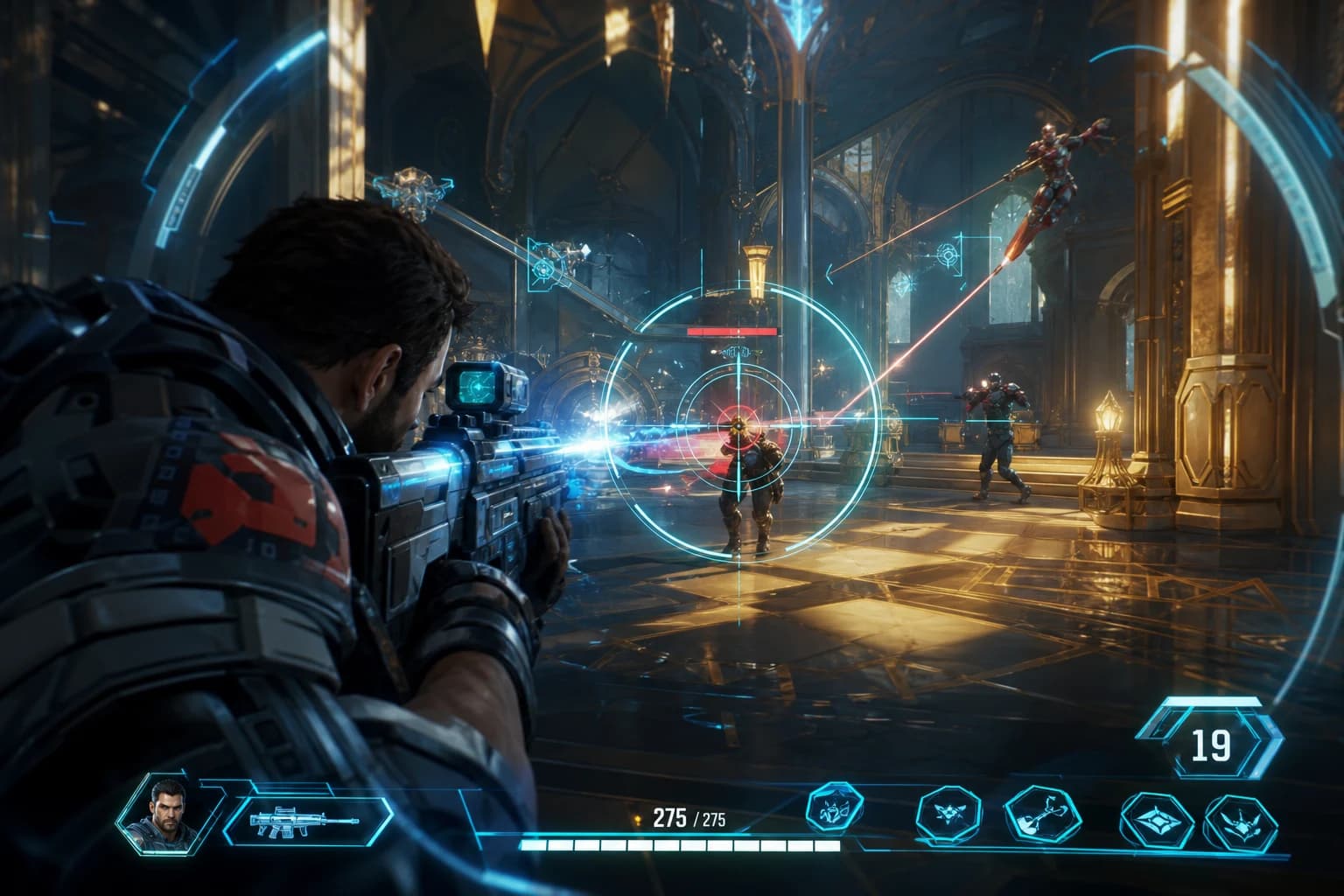
Marvel Rivals Aimbot Experience: The Path to Quick Wins
Discover how aimbot and other cheat tools work in Marvel Rivals, which features will give you the edge, and how to choose the right tool for your playstyle.
October 9, 2026
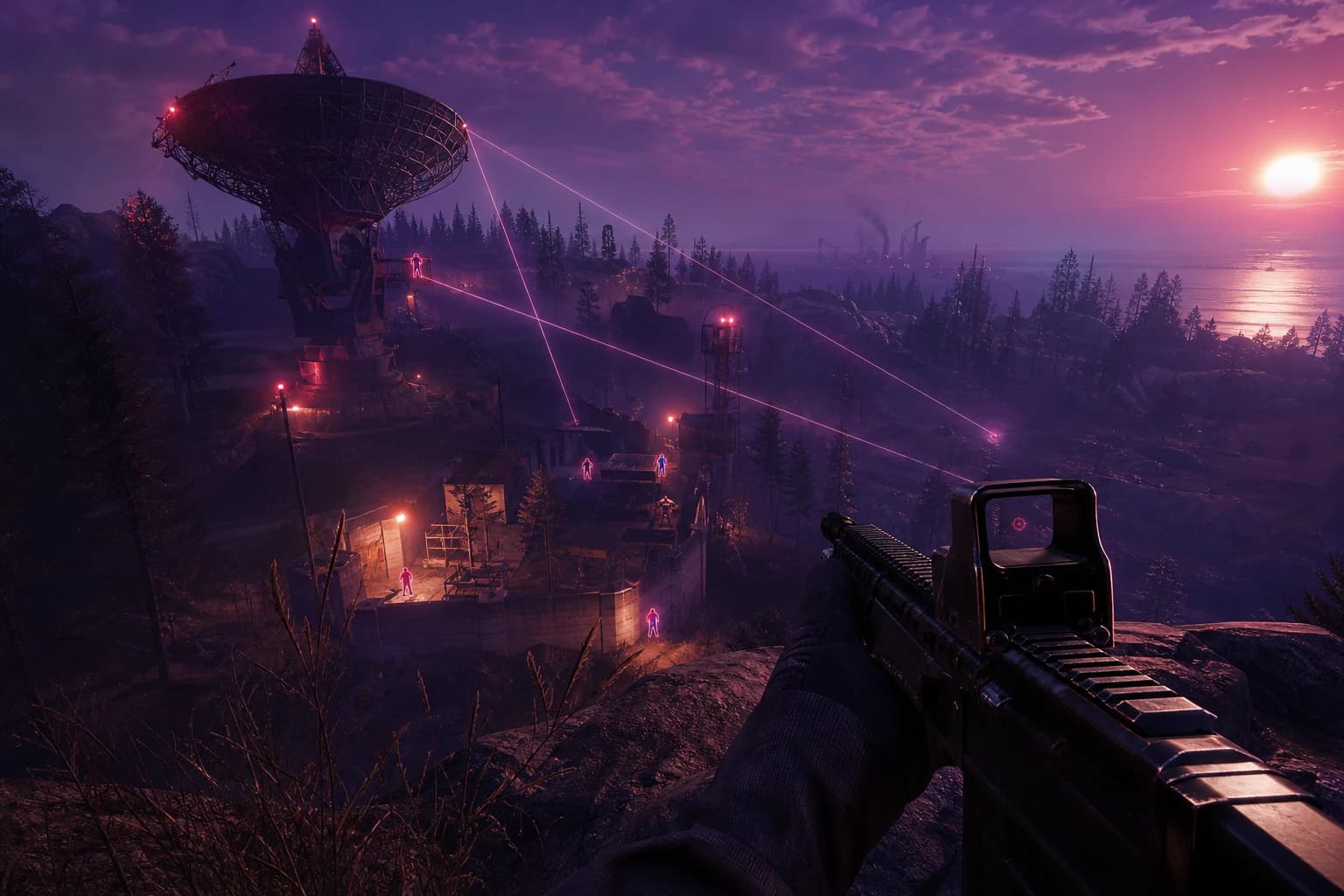
Rust ESP Map Control: Seeing Enemy Positions in Advance
Master map control in Rust using ESP to see enemy positions beforehand. Discover optimal settings, profiles, and strategies for dominating the game in this comprehensive guide.
October 8, 2026
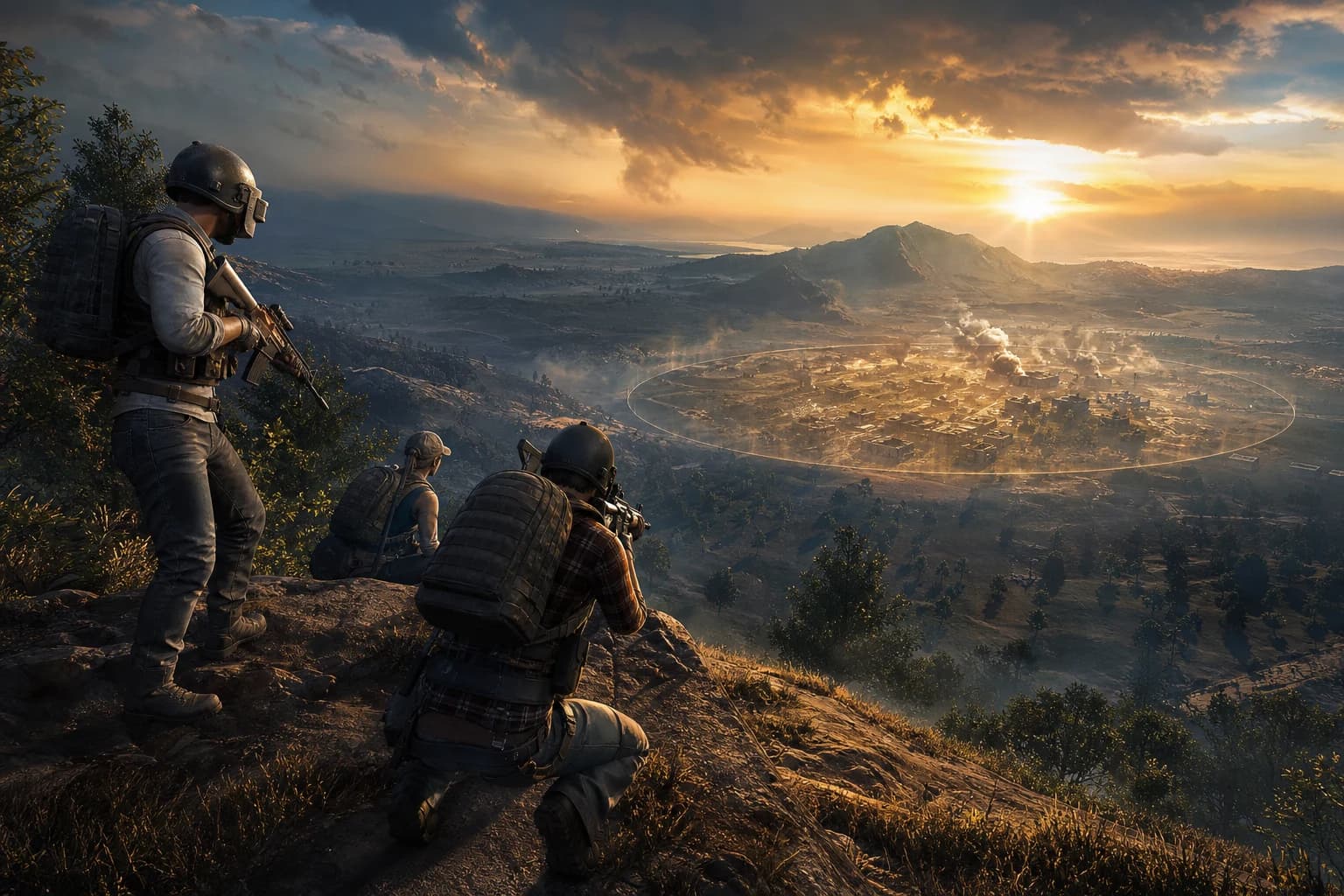
PUBG Final Circle: Best Settings and Strategies to Win
Struggling in PUBG's final circle? Master the right cheat settings and configurations to turn every endgame in your favor. Complete guide to dominating the final zone.
October 8, 2026